A living room is more than just a space for relaxation—it’s often the heart of a home, serving multiple purposes for families, guests, and individuals alike. Designing a multi-functional living room can feel like solving a complex puzzle, but with thoughtful planning and a touch of creativity, it’s possible to craft a space that balances form, function, and comfort. Whether you need an area for work, play, or entertaining, you can achieve a harmonious and versatile design.
Understanding Your Living Room Needs
Before diving into furniture arrangements or décor, it’s essential to define how you intend to use the space. Will your living room double as a home office? Do you need room for children to play? Perhaps it will be a cozy spot for movie nights. By identifying these needs early, you can prioritize the right elements and avoid overloading the room with unnecessary items.
Questions to Consider
- How many functions should the room serve? Pinpoint the main uses, such as entertainment, work, or social gatherings.
- What kind of seating is required? Comfortable seating for relaxation might differ from what’s suitable for dining or working.
- Who will use the space? A family with kids will have different priorities than a single professional or a couple.
The clearer your answers, the easier it becomes to create a cohesive design plan.
Zoning for Multi-Functionality
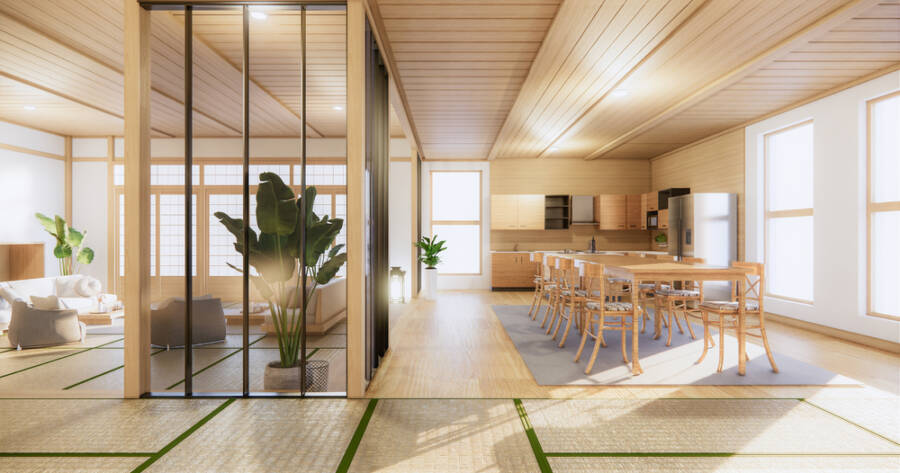
Creating distinct zones is a practical approach to a multi-functional living room. By visually and physically separating different areas, you can maintain order and make the space feel less cluttered.
Use of Furniture to Define Zones
Furniture placement plays a critical role in zoning. A sectional sofa, for instance, can act as a natural divider between a lounging area and a workspace. Similarly, a bookshelf or console table can separate a play area from the main seating zone.
Rugs and Lighting
Rugs are an excellent way to demarcate spaces without physical barriers. Choose a rug to define a reading nook or a dining area. Lighting can also highlight specific zones; a floor lamp near a desk signals a work area, while pendant lights over a coffee table enhance a social gathering space.
Selecting Multi-Functional Furniture
When designing a multi-functional living room, furniture that serves more than one purpose can be a game-changer. These pieces maximize utility without sacrificing style.
Versatile Seating
- Modular Sofas: These can be reconfigured based on the occasion—sprawled out for movie night or compact for a formal gathering.
- Ottomans with Storage: They double as extra seating, footrests, and hidden storage.
Smart Storage Solutions
- Built-in Shelving: If your space allows, built-ins can house everything from books to decorative items without taking up floor space.
- Storage Benches and Coffee Tables: These offer a blend of functionality and aesthetics, keeping clutter at bay while contributing to the room’s design.
Folding and Convertible Furniture
From murphy beds to fold-out desks, these solutions are particularly helpful in smaller living rooms that need to transform quickly from one use to another.
Balancing Aesthetics and Practicality
While functionality is crucial, the living room should also feel inviting and reflect your style. Achieving this balance involves careful attention to color, materials, and layout.
Color Choices
Opt for a neutral palette with pops of color to keep the space cohesive while allowing flexibility. Neutral walls and larger furniture pieces can adapt to changing tastes, while accent pillows, throws, and artwork add personality.
Materials
Durable and easy-to-clean materials, such as performance fabrics and wood finishes, are ideal for multi-functional spaces, particularly in homes with children or pets.
Layout Considerations
Experiment with different furniture arrangements to ensure smooth traffic flow. Avoid overcrowding any one zone; leave enough space between furniture pieces for easy movement.
Tips for Maintaining Order
A multi-functional living room can quickly become chaotic without proper organization. Consider these tips for maintaining order:
- Declutter regularly: Periodically review items in the room and remove anything unnecessary.
- Use storage wisely: Keep items close to where they’re used. For instance, store remote controls in a coffee table drawer and toys in bins near the play area.
- Incorporate hidden storage: Furniture with hidden compartments helps keep the room looking tidy.
By establishing simple systems, you can keep the room functional and visually appealing.
A Space for Every Need
Designing a multi-functional living room is a rewarding challenge that can elevate your home’s utility and comfort. By clearly defining your needs, zoning effectively, choosing versatile furniture, and maintaining a balance between aesthetics and practicality, you can create a space that works hard without feeling overworked.
Remember, there’s no one-size-fits-all solution—your ideal design will reflect your lifestyle and preferences. With patience and a bit of experimentation, your living room can truly become a space for every need.